The 2025 model year is shaping up to be a pivotal moment for electric SUVs in the USA and Canada. Automakers large and small are targeting North American buyers with new battery-electric crossovers and full-size SUVs that promise longer range, faster charging, and richer tech. For shoppers, 2025 will expand choices across price points — from luxury seven-seaters to compact city EVs.
This article highlights the top 10 electric SUVs that are most likely to arrive in the U.S. and Canadian markets in 2025, based on manufacturer announcements, concept releases, and industry reporting. Timelines for EV launches can shift, so consider this a look at the most anticipated entries rather than a definitive production schedule. For each model we explain why it matters and what buyers should watch for.
Whether you’re comparing range and charging, family-friendly space, or off-road capability, 2025’s lineup aims to deliver improvements over earlier BEVs. Read on for an organized rundown of the models to watch and an overview of what to expect from the 2025 electric SUV crop.
Top 10 Electric SUVs Arriving in USA & Canada 2025
Automakers have announced or heavily hinted at several key electric SUVs for North America in 2025. Industry watchers point to a mix that includes premium newcomers, mainstream family crossovers, and rugged off-road EVs. While exact launch months and trim details may change, these ten models keep appearing in coverage and dealer briefings.
The list blends confirmed launches and strong market expectations: Hyundai Ioniq 7, Kia EV5, Rivian R2, Lucid Gravity, Jeep Recon, Jeep Wagoneer S, Mercedes‑Benz EQG, Toyota’s next bZ compact SUV (name TBD), Volkswagen’s next mid-size electric SUV refresh, and a likely BMW electric mid‑sizer. Each entry aims to address different buyer priorities: range, price, interior tech, or trail capability.
Readers should use this list as a shopping guide rather than an order sheet; production schedules depend on supply chains, factory capacity, and regulatory approvals. Still, these ten SUVs represent the most important EV arrivals that could shape choices in both the U.S. and Canadian markets next year.
Luxury and Long‑Range Contenders
Lucid Gravity is one of the most watched luxury EV SUVs slated for production in the coming years. Promoted as a family-sized SUV with Lucid’s focus on efficiency and range, Gravity aims to bring luxury finishes, high efficiency, and advanced driver-assist features. Expect it to compete with high-end electric SUVs from established luxury brands.
Mercedes‑Benz’s electric G-Class (EQG) and other EQ‑series expansions also target buyers who want prestige and off-road ability in a zero‑emission package. Mercedes tends to introduce top-tier tech and robust build quality, which often comes with premium pricing. North American availability for EQ‑flagship SUVs is likely to be phased by market demand and homologation.
BMW’s upcoming electric mid‑sizer rounds out this category, promising familiar BMW driving dynamics combined with modern EV components. These luxury entries will emphasize long-range battery packs, high power outputs, and premium interiors — appealing shoppers who want EV advantages without compromising comfort or brand status.
Mainstream Family SUVs
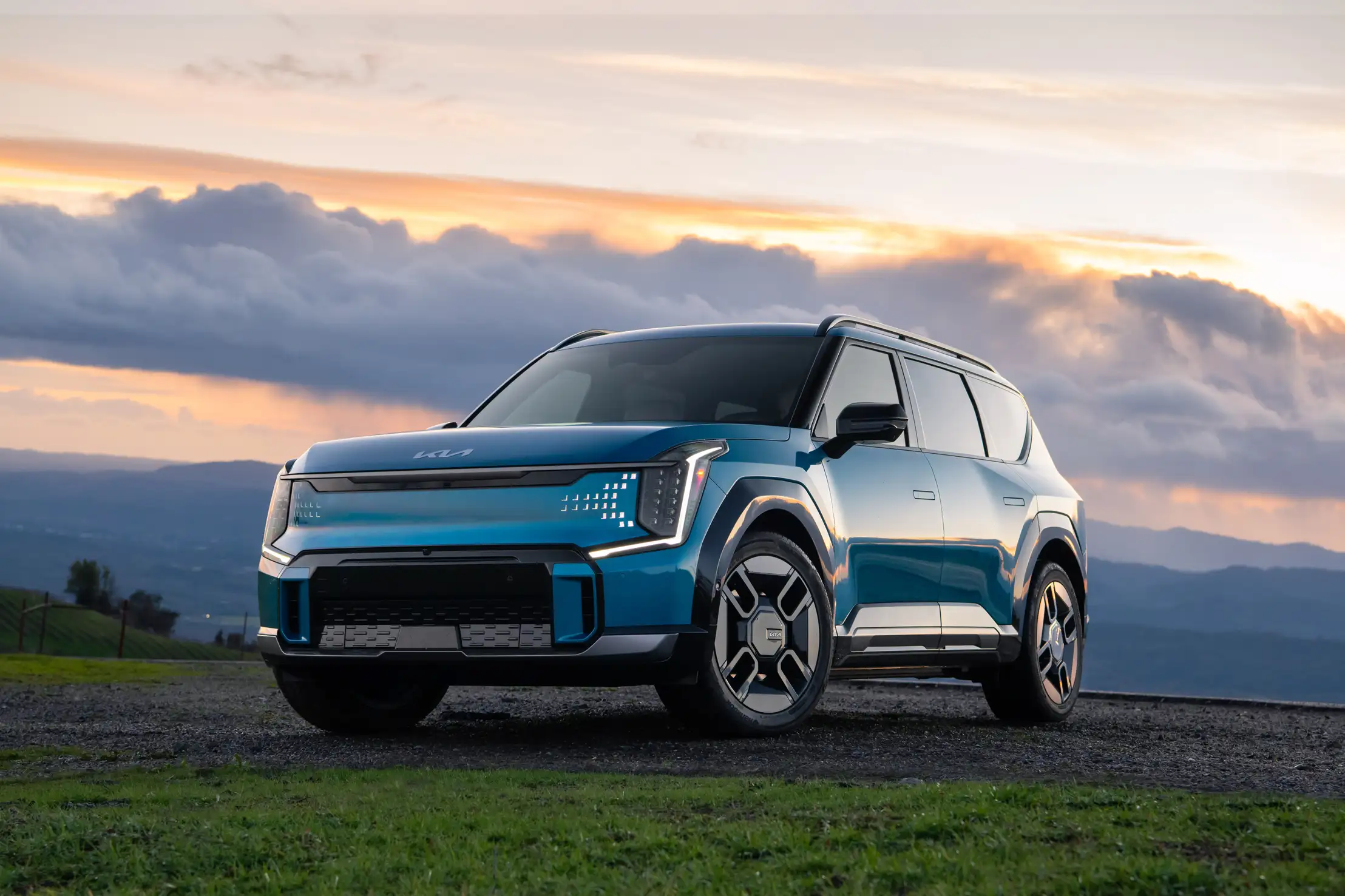
Hyundai’s Ioniq 7 and Kia’s EV5 (or regional name variants) are aimed squarely at mainstream family buyers who want roomy interiors and competitive pricing. Hyundai and Kia have positioned their larger BEV crossovers to offer flexible seating, strong infotainment suites, and ranges sufficient for daily use and weekend trips. Expect multiple battery and motor choices to cover budget and performance priorities.
Volkswagen has signaled a refreshed or new mid‑size electric SUV for North America that will target the popular compact-to-mid SUV segment. If VW follows its global plan, the new model will deliver balanced range, user-friendly tech, and a familiar interior layout adapted for electric architecture. Pricing and feature packaging will be crucial to win away volume buyers.
Toyota’s follow-up to its bZ4X — a compact bZ‑series SUV — is likely to be aimed at conservative buyers seeking Toyota reliability and dealer network support while moving to full battery-electric power. Toyota’s approach typically focuses on safety, durability, and gradual tech adoption rather than headline-grabbing specs, making it attractive to mainstream buyers switching from gas SUVs.
Adventure and Off‑Road EVs
Rivian’s R2 and Jeep’s Recon and Wagoneer S models are the kind of EVs built for adventure-minded buyers who want real capability. Rivian’s R2, aimed at a broader market than the larger R1S, promises accessible off-road toughness and the company’s signature camp-friendly features. Jeep’s electrified models intend to keep trail credentials while adding electric torque and instant power delivery.
These adventure EVs will emphasize durable underbody protection, water fording, and software features for off-road routes and overlanding gear. Charging access and range in remote areas remain concerns, so manufacturers are pairing rugged capability with energy-efficient powertrains and optional fast-charging hardware. Expect aftermarket support for racks, auxiliary batteries, and lighting to grow in parallel.
For buyers who prioritize weekend exploration, these SUVs will likely offer specialized trim levels with terrain-focused tires, suspension tuning, and modular cargo solutions. Real-world off-road tests and owner reports in 2025 will be key to separating marketing claims from capable hardware.
What to Expect From 2025 Electric SUV Lineups
Across segments, 2025 electric SUVs should show steady progress in charging speed, software features, and interior ergonomics. More models are expected to support 800‑volt architectures or higher-power charging windows, translating to shorter stops on long trips. Over-the-air updates and advanced driver-assist systems will become more standardized across trims.
Pricing is likely to remain varied: luxury EVs will command premium prices while many mainstream entrants aim for competitive MSRPs to attract crossover buyers converting from ICE models. Incentives, state/provincial rebates, and local charging infrastructure will be important purchase factors in both the U.S. and Canada. Availability and option packages will influence the real on‑the‑road price.
Finally, expect automakers to emphasize real‑world range figures and charging networks in their marketing. With more choices arriving, buyers should compare EPA/HR‑rated range, available cargo and seating configurations, and warranty/maintenance offers. Test drives and independent reviews in 2025 will be essential before committing to a new electric SUV.
2025 looks like a breakthrough year for electric SUVs as brands broaden their portfolios to serve more buyers in the U.S. and Canada. From luxury three‑row models to compact family crossovers and rugged off‑roaders, the incoming models promise improved range, smarter software, and richer interiors than earlier EV generations. Keep an eye on official launch dates and local availability, as production timing can shift.
If you’re planning to buy, prioritize test drives and real‑world charging behavior over headline specs. Compare warranty coverage, dealer charging partnerships, and incentives in your state or province. That practical due diligence will help you choose the EV SUV that fits your driving habits and budget.
Finally, stay flexible: 2025 will bring more choices but also evolving pricing and trim strategies. Early reviews and owner feedback will help separate the best long-term value from attractive-but‑narrowly equipped launches. Enjoy the transition — there are finally plenty of electric SUVs worth considering.
FAQ
Q: Are these 2025 electric SUVs eligible for federal incentives in the U.S.?
A: Eligibility depends on the model’s assembly location, battery sourcing, and the current federal tax credit rules. Check the IRS guidance and manufacturer statements for each model to confirm.
Q: How will Canadian incentives affect 2025 EV pricing?
A: Canada’s incentives vary by province and can significantly lower effective cost. Federal incentives and provincial rebates should be verified for each model and purchase date.
Q: Should I wait for 2025 models or buy an EV available today?
A: If you need a vehicle now, many current EVs offer excellent value. If you want the latest tech, range, or a specific upcoming model, waiting for 2025 could make sense — but weigh resale timelines, incentives, and personal urgency.