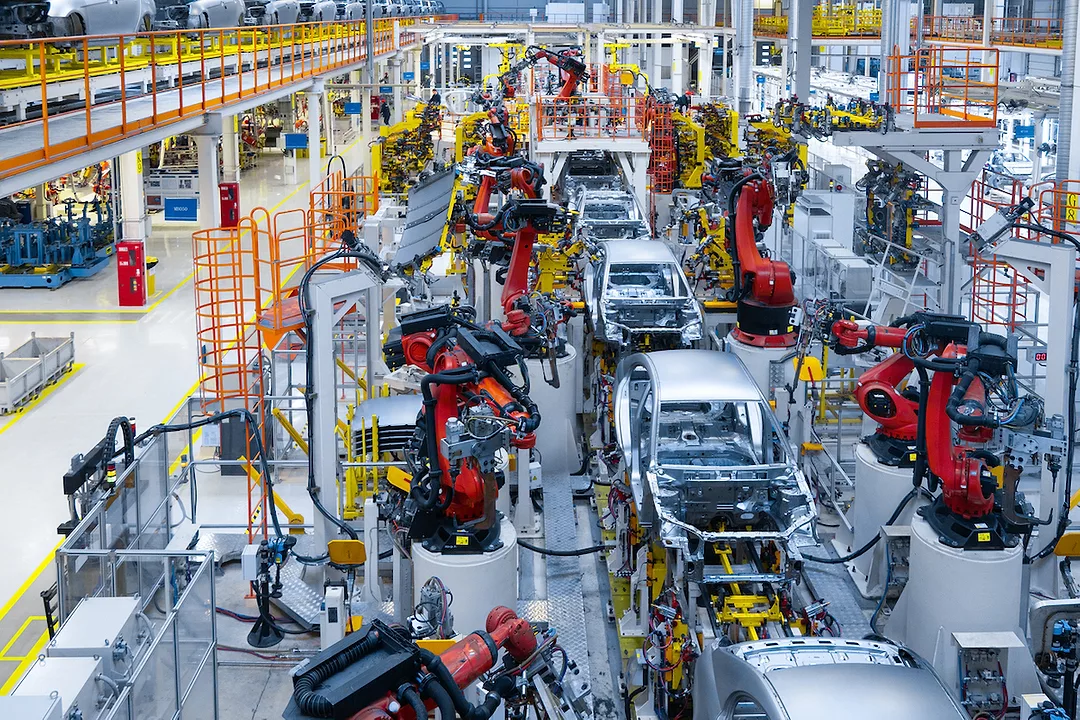
The automotive supply chain is facing a new wave of tariff shocks as governments around the world revise trade policies. For manufacturers, suppliers, and dealerships in the USA and Canada, these changes are creating immediate cost pressures and forcing strategic shifts. This article examines what’s happening, why it matters, and how industry players are responding.

How New Global Tariffs Impact Auto Supply Lines
Tariff increases on steel, aluminum, semiconductor-related components, and certain finished parts raise direct production costs for automakers and tier suppliers. Manufacturers often absorb initial price hikes, but prolonged tariff regimes lead to higher vehicle prices or narrower margins. This squeeze is particularly acute for models that depend on imported components or global module assemblies.
Beyond direct costs, tariffs distort sourcing strategies. Companies reassess supplier networks, sometimes moving orders to countries outside tariff zones or backshoring critical production. These decisions can reduce long-term efficiency: shifting production takes time, capital investment, and introduces fresh logistics and quality control challenges.
Finally, tariffs multiply the uncertainty facing just-in-time inventory models. Many North American factories run lean to minimize carrying costs; sudden duties can necessitate stockpiling or sudden supplier switches, destabilizing production rhythms and increasing working capital requirements across the supply chain.
North American Automakers Adjust to Rising Trade Costs
Automakers in the USA and Canada are reacting with a mixture of supplier renegotiations, price adjustments, and engineering changes to reduce tariff exposure. Some manufacturers seek tariff-classification adjustments or pursue tariff exemptions, while others pass costs to consumers through incremental price hikes. Negotiating longer-term supplier contracts can also lock in prices and shield margins temporarily.
Manufacturers are accelerating multi-sourcing strategies to diversify risk. By qualifying alternate suppliers in tariff-favored jurisdictions or nearshoring components to Mexico and Canada, automakers aim to contain exposure while maintaining production continuity. These moves can mitigate immediate tariff impacts but require sustained investment in supplier development and quality assurance.
Investment decisions are also shifting toward localization and automation. North American plants receiving higher capital expenditure signals may be intended to substitute expensive imports with domestic production. Over time, automation can offset labor cost increases, but it does not eliminate the short-term transitional costs and retraining needs that companies must manage.
Global Trade Politics and Automotive Components
Trade tensions and geopolitical calculations are increasingly shaping where critical components are made. Semiconductor export controls, for example, affect microcontroller and power management chips that are essential to modern vehicles. Governments use tariffs and controls to protect domestic industries or to retaliate, making supply reliability a political as well as commercial risk.
Automakers must keep a close eye on policy developments in major trading partners — the European Union, China, and Southeast Asian nations — because tariff decisions in one region ripple across global sourcing strategies. This creates a fragmented trade environment where the same part may face different duties depending on country of origin, complicating cost forecasting and compliance.
Compliance burdens are rising. Tariffs often require more detailed customs documentation and origin tracing, prompting companies to invest in digital trade-compliance tools. Firms that fail to adapt risk penalties and shipment delays that can cascade into production stoppages, warranty exposure, and reputational damage.
Supplier Vulnerabilities and Inventory Strategies
Tier-two and tier-three suppliers often have the narrowest margins and the least capacity to absorb tariff shocks. Smaller suppliers dependent on cross-border material flows confront cash flow stress when duties spike. As a result, automakers may see disrupted subcomponent availability or sudden quality variability as suppliers scramble to find new inputs.
To cope, many suppliers are reconsidering inventory strategies. Some are increasing safety stock for critical inputs, while others negotiate price-variance clauses into contracts to share risk with OEMs. While these measures enhance resilience, they also tie up capital and undermine the lean, cost-effective models that drove industry efficiency over the past two decades.
Automakers are responding by offering financial or technical support to key suppliers to prevent bottlenecks. Strategic partnerships, joint investments in tooling, and supplier financing programs are becoming more common as OEMs seek to stabilize their ecosystems and avoid costly production interruptions.
EV Transition Adds Complexity
The rapid shift to electrification complicates tariff exposure because EVs use different and often more globally concentrated parts — battery cells, electric motors, and power electronics. Tariffs on battery components or rare-earth materials can dramatically affect EV cost competitiveness, particularly for entry-level models aimed at North American consumers.
Manufacturers are racing to secure battery supply chains that are less vulnerable to tariffs and export restrictions, including investments in North American cell manufacturing and recycling capabilities. Such localization helps insulate EV programs from international tariff volatility but requires extensive capital and time to scale effectively.
Policy incentives for EV production also interact with tariffs. Subsidies tied to local content rules can encourage nearshoring, yet they may provoke retaliatory measures from trading partners. Companies must balance accessing subsidies versus maintaining flexible global sourcing to keep costs down.
Policy Responses and Industry Lobbying
Industry groups and automakers are intensifying lobbying efforts to influence tariff policy. In the USA and Canada, manufacturers advocate for exemptions, gradual phase-ins, or retaliatory restraint to avoid imposing abrupt cost shocks that harm consumers and employment. These efforts often involve presenting economic impact analyses to trade authorities and lawmakers.
Governments are also under pressure to strike a balance between protecting strategic industries and preserving affordable vehicle prices for consumers. Policymakers can respond with targeted subsidies, tariff relief for essential components, or investment in domestic supplier capacity. The effectiveness of such responses depends on political will and fiscal capacity.
Longer-term, many stakeholders call for clearer, stable trade rules that foster predictability. Harmonizing regulations and improving trade dispute mechanisms would reduce the frequency and severity of tariff shocks, enabling the auto sector to plan investments with more confidence.
Tariff shocks have reignited focus on supply chain resilience and sourcing agility across the North American auto industry. While short-term fixes and supplier support can ease immediate pain, long-term adaptation will require investment in local capacity, diversification strategies, and sustained policy engagement. For USA and Canada consumers and businesses alike, the coming months will test how quickly the sector can absorb and adapt to these new trade realities.
FAQ
Q: How quickly will tariffs affect car prices in the USA and Canada?
A: Tariff impacts can appear within months as OEMs absorb costs or pass them to dealers. The timing depends on contract terms with suppliers, inventory levels, and whether manufacturers secure exemptions.
Q: Can automakers avoid tariffs by changing where they source parts?
A: Yes, shifting sourcing to tariff-favored jurisdictions or nearshoring can reduce exposure, but it requires time, capital, and supplier qualification. Not all components are easily relocated due to technology concentration and investment cycles.
Q: What steps can consumers expect automakers to take?
A: Consumers may see modest price increases, limited model availability, or revised option packages. Automakers are likely to seek efficiencies, accelerate localization, and lobby for policy relief to limit consumer impact.